Identifying the Key Noise Sources
Not all noise in a vehicle comes from obvious places. Targeted acoustic treatment focuses on the areas that contribute most to unwanted sound:
Doors: Door panels are thin and can resonate with midbass frequencies.
Floor and wheel wells: Vibrations from the road surface transmit through suspension and underbody panels.
Roof and pillars: Wind turbulence and structural resonance can introduce high-frequency noise.
Trunk and rear quarters: Rear panels can amplify low-frequency noise from road and exhaust.
By identifying these areas, acoustic treatments can be applied strategically to reduce both structural and airborne noise.
https://soundskinsglobal.com/p....ages/soundskins-ring
The Role of Targeted Acoustic Materials
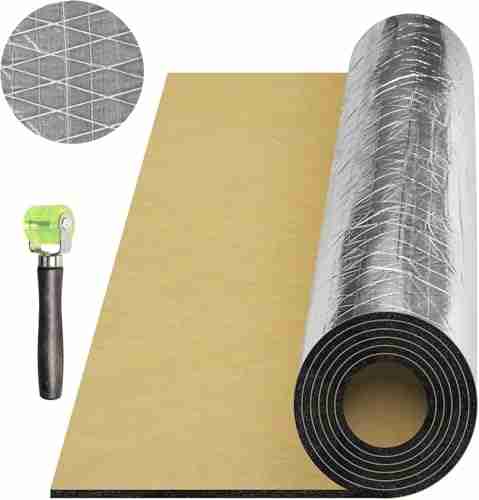
Targeted acoustic treatment often involves multiple layers of materials, each serving a specific purpose:
Damping sheets: Stabilize metal and plastic panels, preventing vibrations and rattles .
Absorptive layers: Capture airborne noise before it reaches the cabin.
Sealing elements: Close gaps around speakers and panels to maintain pressure and reduce leakage.
This combination reduces noise at its source, allowing the cabin to remain calm and controlled even on long or bumpy drives.
How Foam Rings for Speakers Enhance Comfort
Even after panels are treated, audio systems can contribute to cabin vibration if speakers aren't properly isolated. Foam rings for speakers serve to isolate the speaker from the mounting surface, preventing energy loss and reducing panel vibration. When paired with targeted acoustic treatment, these foam rings help:
Deliver tighter, more accurate bass
Preserve midrange and treble clarity
Maintain consistent soundstage without distortion
The result is a quieter interior and audio that is easier to enjoy at lower volumes, further reducing fatigue.
Benefits Beyond Noise Reduction
Targeted acoustic treatment affects more than just audio quality. By controlling vibration and sound transmission, it also:
Reduces driver and passenger fatigue on long drives
Protects panels and trim from micro-movement and long-term wear
Enhances the perception of vehicle quality and refinement
Makes climate control more effective by stabilizing materials and reducing heat transfer
Strategic Implementation Tips
Focus on the largest flat panels first, such as doors, roof, and rear quarters.
Add damping near midbass and subwoofer locations to control low-frequency energy.
Use absorptive materials in areas prone to airborne noise, like floors and wheel wells.
Pair acoustic treatment with foam rings for speakers to fully isolate audio components from the vehicle structure.
Final Thoughts
Targeted acoustic treatment transforms everyday driving by tackling the most common sources of cabin noise. It not only makes the interior quieter but also improves audio clarity, reduces fatigue, and protects vehicle panels over time. Combined with foam rings for speakers , these treatments ensure this.