
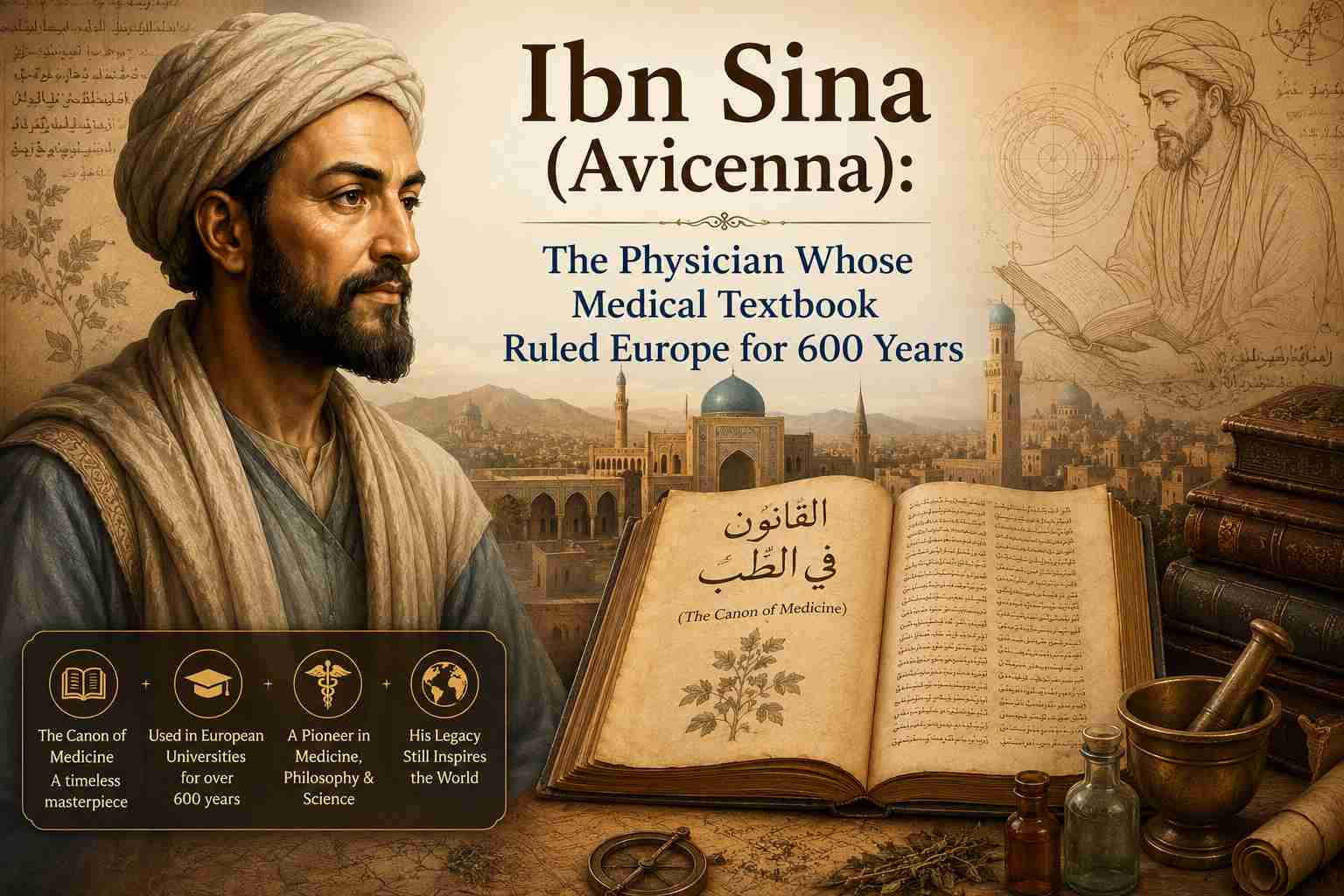
Ibn Sina Avicenna: The Physician Who Ruled Medicine 600 Years
How Ibn Sina Avicenna's Canon of Medicine textbook shaped European medicine for 600 years — the full story.
Read More: https://samirabbasi83.blogspot.....com/2026/09/ibn-sin
@samsiexpo
Ibn Sina Avicenna: The Physician Who Ruled Medicine 600 Years
How Ibn Sina Avicenna's Canon of Medicine textbook shaped European medicine for 600 years — the full story.
Read More: https://samirabbasi83.blogspot.....com/2026/09/ibn-sin
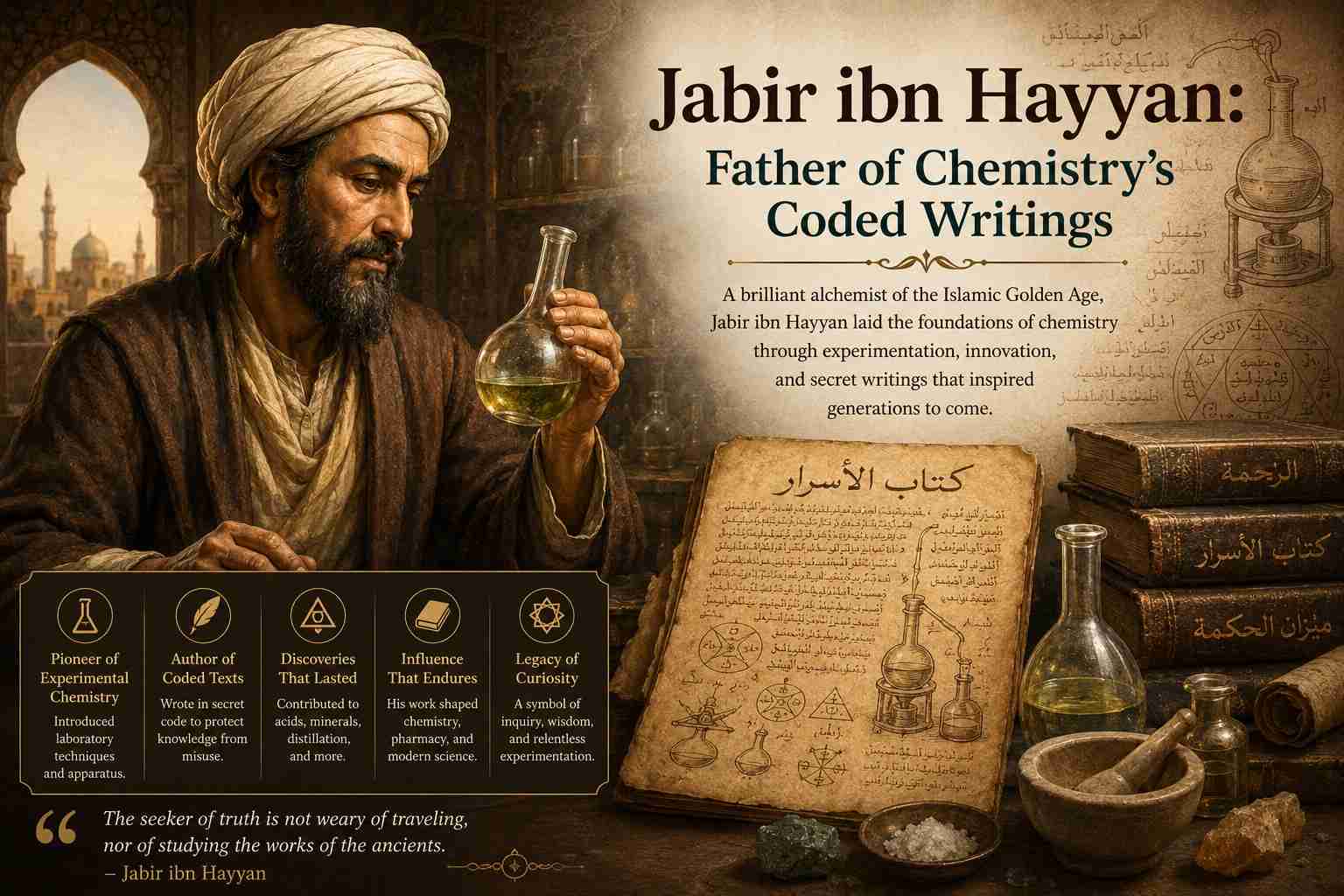
Jabir ibn Hayyan: Father of Chemistry's Coded Writings
How Jabir ibn Hayyan, father of chemistry, used coded alchemy writings to pioneer real lab methods still used in chemistry today.
Read More: https://samirabbasi83.blogspot.....com/2026/09/jabir-i
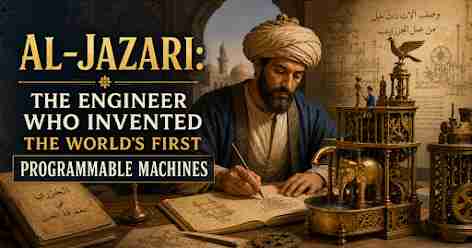
Al-Jazari: The Engineer Who Invented the World's First Programmable Machines
A textbook written in Persia around 1025 CE was still assigned reading in European medical schools four hundred years later, and in some Italian universities it stayed on the curriculum into the seventeenth century. That textbook was the Canon of Medicine, and the man who wrote it, Ibn Sina, known in the West as Avicenna, produced a work so thorough that it outlived the empire it was written in by nearly a millennium.
Ibn Sina was not only a physician. He wrote extensively on philosophy, logic, astronomy, and physics, and reportedly composed some of his most technical medical passages from memory while traveling between royal courts as a political advisor. The Canon of Medicine, though, is what carried his name across languages, centuries, and continents, and it remains the clearest entry point into understanding why Avicenna medicine still gets cited in histories of science today.
Read More: https://samirabbasi83.blogspot.....com/2026/09/al-jaza
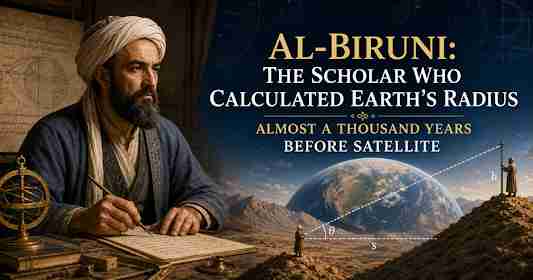
Al-Biruni: The Scholar Who Calculated Earth's Radius Almost a Thousand Years Before Satellite
Al-Biruni stood on a hilltop near a fort called Nandana, somewhere in what is now Pakistan's Punjab region, with an astrolabe in one hand and a set of trigonometric tables in his head. He didn't have a ship to sail around the planet or a satellite to photograph it from orbit. He had geometry, a known height, and one angle measured toward the horizon. From that single hilltop, he calculated Earth's radius to within about 200 kilometers of the modern accepted figure, using math that any advanced student today could still follow line by line.
That measurement happened around 1017 CE, roughly 900 years before humans ever saw Earth's curve from space. Abu Rayhan al-Biruni wasn't a specialist in one narrow field either. He worked as an astronomer, mathematician, geographer, historian, and pharmacologist, often on the same manuscript, and his Earth-radius calculation remains one of the most quietly astonishing achievements of the Islamic Golden Age.
Read More: https://samirabbasi83.blogspot.....com/2026/08/ibn-al-