

How Portable Equipment Is Changing the Future of Independent Auto Repair Shops
Commercial rent has climbed in most metro areas over the last several years, and independent repair shops are feeling it. A shop that once had room to expand into a second bay now finds that same square footage costing far more than it did a decade ago. That pressure is quietly pushing owners toward a different kind of growth strategy: one built around flexible, portable equipment instead of permanent build out.
Smaller Footprints, Same Capability
Traditional two post lifts require a dedicated slab, a fixed location, and a layout that rarely changes once the concrete cures. For a shop working with a smaller footprint, that kind of permanence can be a liability. Every square foot has to earn its keep, and a lift that can only ever do one job in one spot limits how a bay gets used throughout the week.
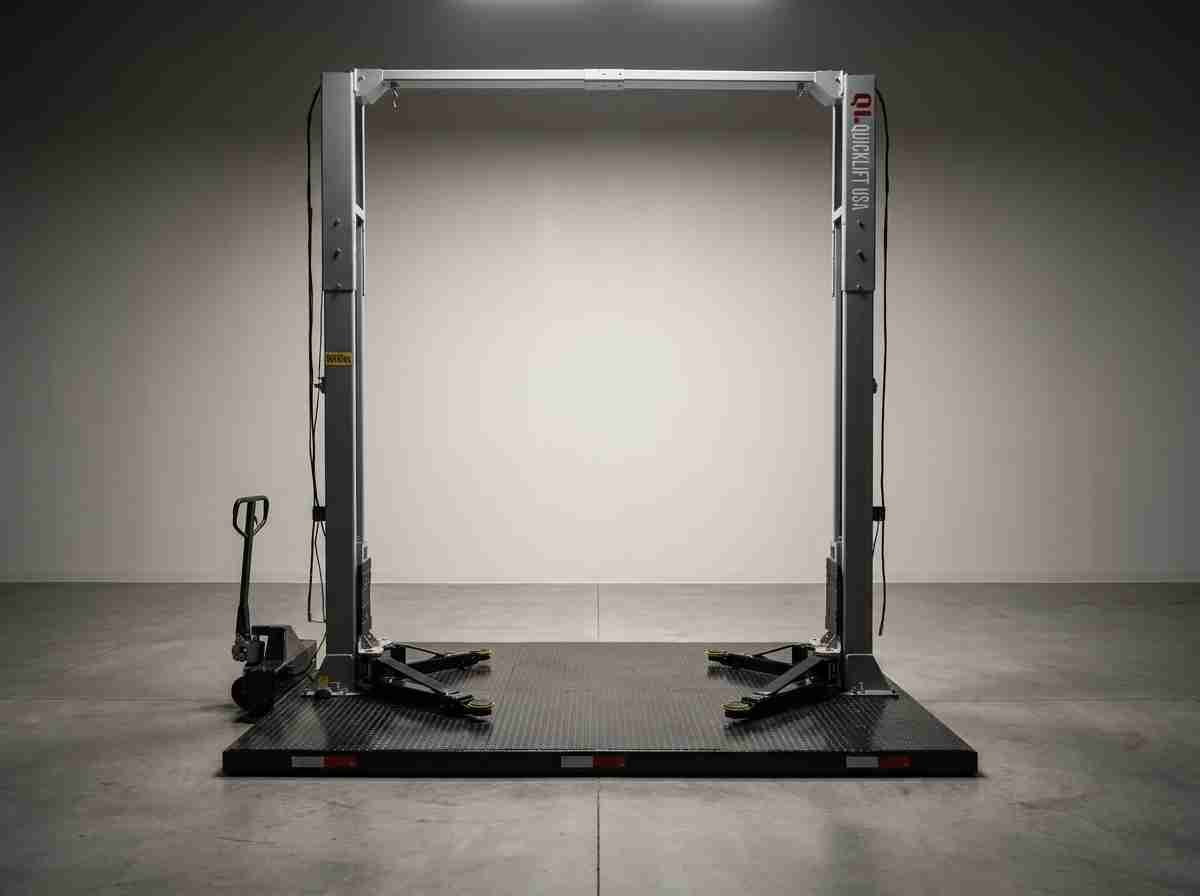
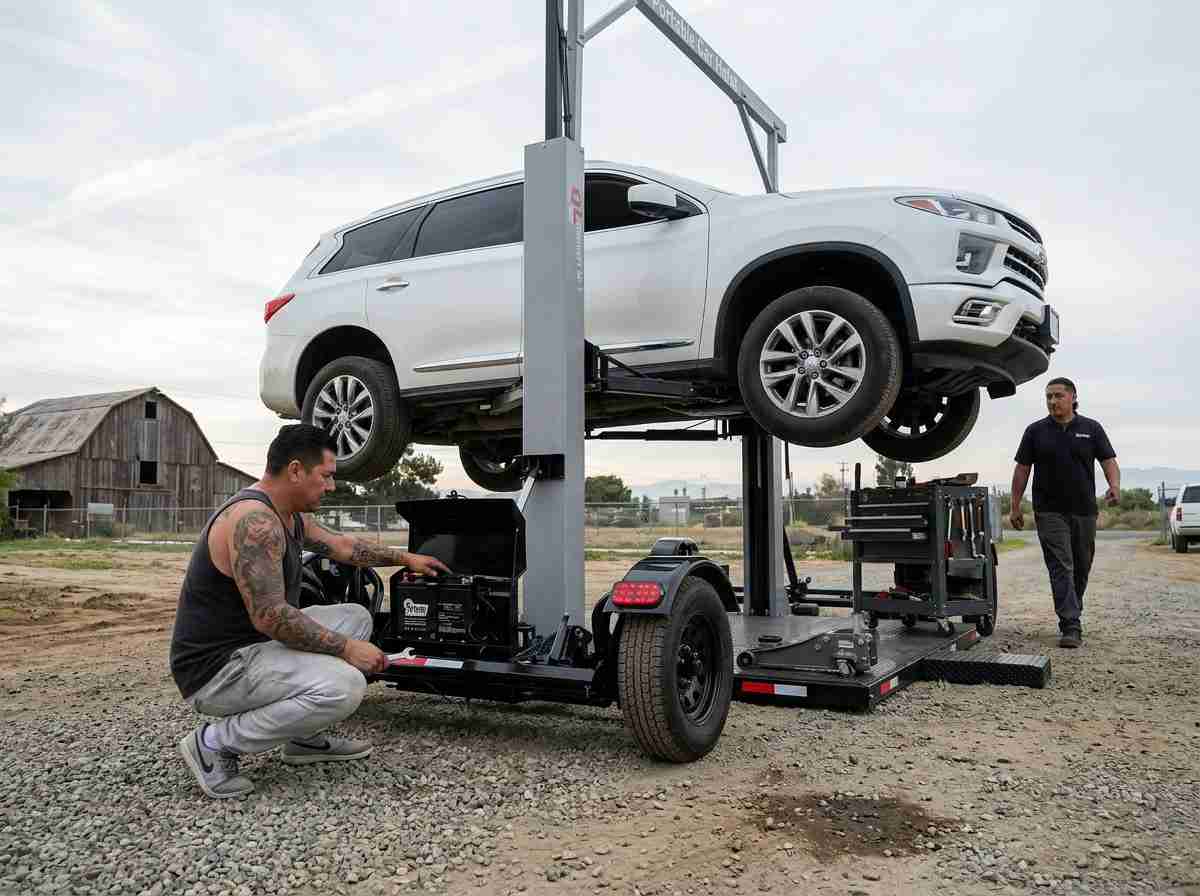
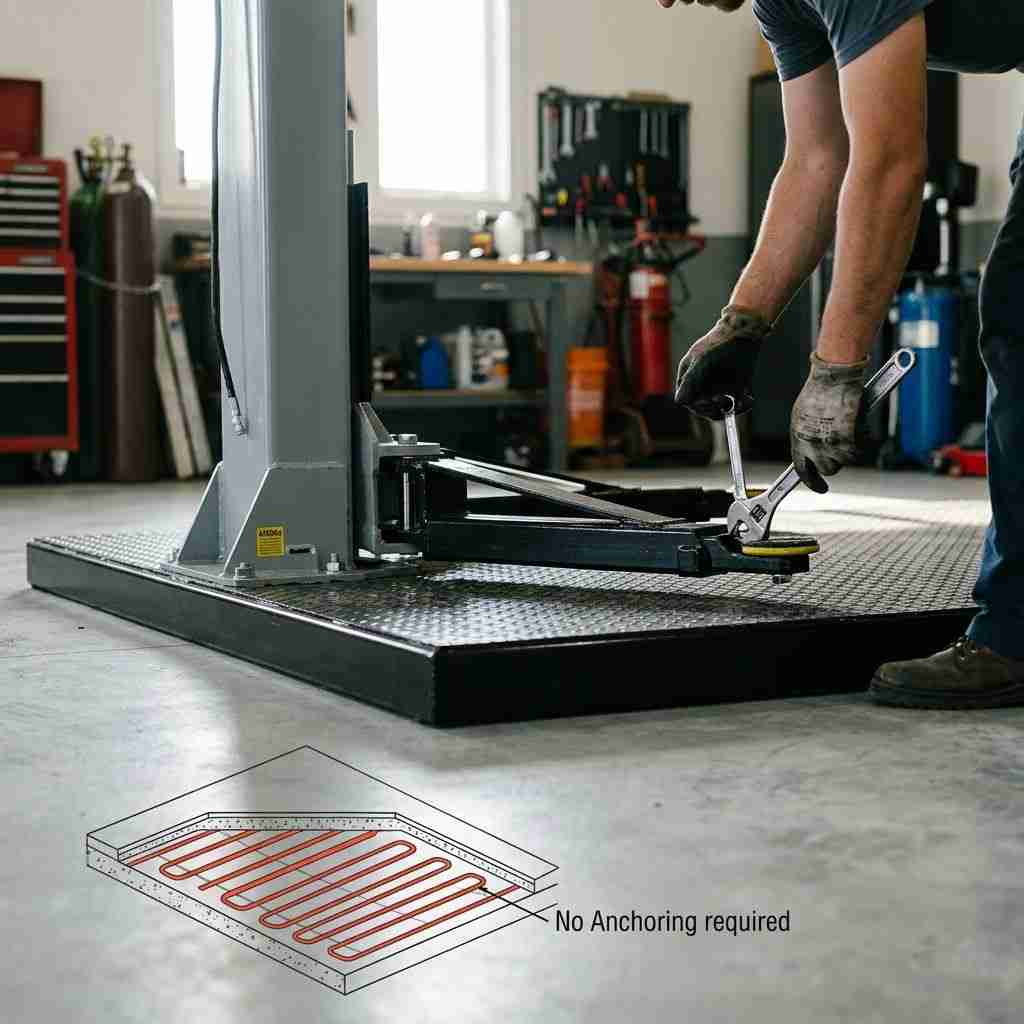
A portable automotive lift changes that math. Because it sets up on any solid, level floor without anchoring, a technician can lift a vehicle in one bay in the morning and reposition that same lift for a different job in the afternoon. The floor space stays multipurpose instead of being permanently claimed by a single fixed installation.
Working in Rented Buildings
Most independent shops lease rather than own their buildings, and landlords are not always willing to approve concrete drilling or structural modifications. This is where portable lift systems offer a practical advantage: there is nothing to bolt down and nothing to remove when a lease ends. A shop can operate confidently in a rented space, knowing the equipment moves with the business rather than staying behind with the building.
Expanding Services Without Remodeling
Adding a new service line, say, light diesel work or fleet servicing, traditionally meant a remodel: new slab work, possibly a permit application, and weeks of downtime. Portable lift systems let a shop test new service categories without that upfront construction cost. If the new service line takes off, the equipment stays in use. If it does not, the lift simply gets repositioned or reassigned rather than sitting as a sunk cost bolted to an unused corner of the shop.
Lower Startup Costs for New Ventures
For automotive entrepreneurs opening a first location, the ability to skip concrete work and electrical trenching can meaningfully lower the capital needed to open the doors. That capital can instead go toward diagnostic tools, technician wages, or marketing, the things that actually bring revenue in the door during the critical first year.
Scaling Without Starting Over
Businesses that plan to relocate, add a second location, or scale into fleet work benefit from equipment that scales with them. A portable two-post lift purchased today can move to a larger facility next year without being abandoned. That single characteristic, mobility, is what separates equipment that supports growth from equipment that locks a business into its current footprint.
Companies like Portable Car Hoist, based in Menifee, California, have built their entire product line around this idea: giving shop owner’s commercial-grade lifting capability without requiring a permanent commitment to one building or one layout.
For any independent shop weighing expansion, the equipment question deserves the same scrutiny as the lease itself. Flexibility today can prevent a costly renovation tomorrow.
For more information, visit https://maps.app.goo.gl/q7pRE9YZy5Fe1PLV7