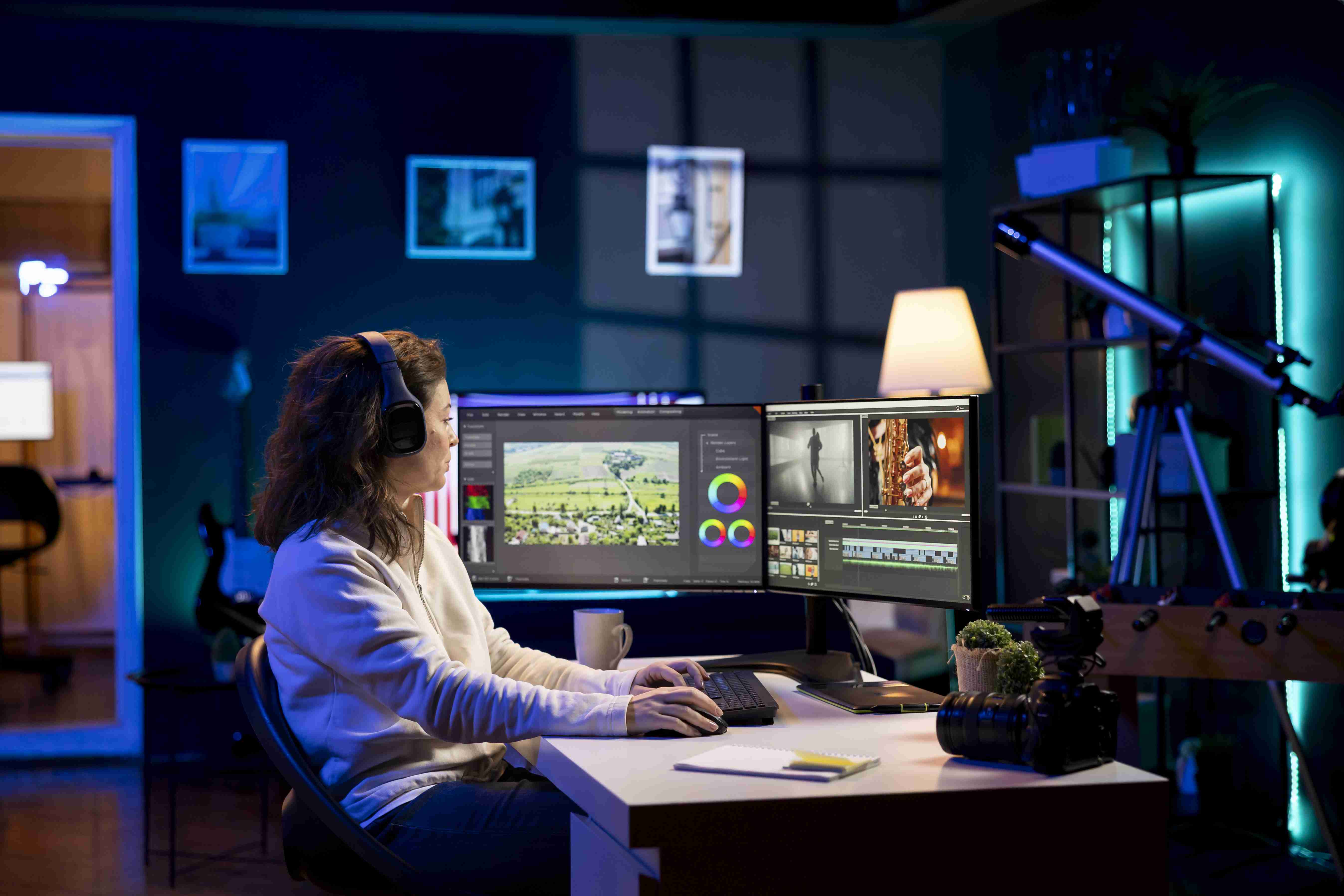


Why Motion Graphics Are Crucial for Business Growth: Unlocking the Power of Motion Graphics Animation
In the digital age, businesses are increasingly relying on visual content to capture the attention of their audience. One of the most powerful and effective forms of visual content is motion graphics animation. This form of multimedia combines graphic design, animation, and video, making it an essential tool for businesses seeking to enhance their digital presence. But what exactly makes motion graphics so powerful, and how do they contribute to business growth? In this post, we’ll explore the tangible benefits of motion graphics and demonstrate how they can be directly applied within the key service pillars of SEO, web application engineering, and CRM and automation architecture.
The Tangible Benefits of Motion Graphics Animation for Business Growth
Motion graphics are not just a visual treat – they play a pivotal role in creating engaging, informative, and persuasive content. Here’s how they contribute to your business growth:
1. Enhanced Engagement
Captures attention quickly: With the rise of short-form content, attention spans are shrinking. Motion graphics deliver dynamic, eye-catching visuals that can immediately capture attention.
Keeps viewers engaged: The fluid nature of motion graphics, coupled with compelling storytelling, keeps viewers engaged for longer durations, which is crucial for improving retention rates.
2. Clearer Communication
Simplifies complex ideas: Motion graphics can break down complicated concepts into digestible visual chunks. For instance, technical topics like CRM workflows or SEO processes can be made easy to understand with engaging animations.
Improves message clarity: When paired with concise text and impactful visuals, motion graphics convey messages in a more memorable and effective manner.
3. Increased Conversion Rates
Stronger call-to-action (CTA): Motion graphics that end with a clear and compelling call-to-action (CTA) can lead to higher conversion rates. The visual movement directs the viewer’s attention, reinforcing the desired outcome.
Boosts trust and credibility: Well-designed animations give your brand a professional edge, helping to build trust with your audience, especially in competitive industries.
4. Versatility Across Channels
Multi-platform adaptability: Motion graphics can be used across a variety of platforms, from websites to social media, email campaigns, presentations, and more. This versatility ensures that businesses can reach their audience wherever they are.
Application of Motion Graphics in Key Service Pillars
At Laynch, our core services revolve around creating seamless user experiences through SEO, web application engineering, and CRM and automation architecture. Motion graphics animation can significantly amplify the impact of each of these services.
1. Motion Graphics and SEO: Boosting Visibility and Engagement
SEO isn’t just about keywords and backlinks – it’s also about delivering content that resonates with users. Here’s how motion graphics contribute to your SEO efforts:
Increased on-site engagement: Adding motion graphics to your website can reduce bounce rates and increase time on site, both of which are important factors for SEO ranking.
Improved user experience: Motion graphics help to break up text-heavy content, making your website more visually appealing. This leads to a smoother user experience, which search engines like Google favor.
Shareability for backlinks: Engaging motion graphics increase the likelihood of your content being shared, earning you valuable backlinks that can improve domain authority.
2. Motion Graphics and Web Application Engineering: Interactive and User-Centric Design
Motion graphics can elevate the usability and aesthetic appeal of web applications. Here’s how they contribute:
Visually appealing UI elements: Motion graphics can be used to enhance user interface elements like buttons, transitions, and loading animations, making your web applications more engaging and user-friendly.
Effective user guidance: Animated instructions or tutorials can guide users through the app, helping them understand how to use complex features or navigate unfamiliar sections of the interface.
Better feedback mechanisms: Motion graphics can serve as a real-time response to user actions, offering visual cues for success or error messages, making interactions more intuitive.
3. Motion Graphics and CRM & Automation Architecture: Streamlining Processes
When it comes to CRM and automation systems, motion graphics can significantly improve user experience and operational efficiency:
Onboarding tutorials: Motion graphics are an excellent tool for onboarding new users to CRM systems. Animated tutorials can guide users through the setup process, ensuring they understand how to use the system effectively.
Automation workflows: Motion graphics can visually represent automation workflows, helping stakeholders understand how tasks are triggered, managed, and completed, which can streamline internal communication.
Enhanced reporting: Use animated graphs and charts to visualize data insights, making reports more digestible and actionable for your team.
Conclusion
Motion graphics animation is no longer a luxury but a necessity for businesses looking to stay competitive and grow in the digital space. Whether you're improving engagement on your website, enhancing user experience in web applications, or streamlining workflows in CRM and automation systems, motion graphics have the potential to elevate your efforts. By incorporating motion graphics into your strategy, you can not only captivate your audience but also drive measurable results in SEO, web application development, and automation.
https://laynch.com/best-motion-graphics-services/