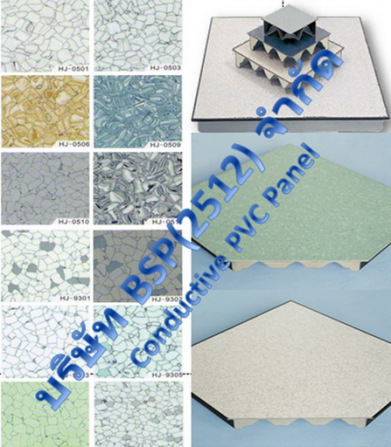


Prefabricated Raised Floor: A Practical Guide to Flexible, Efficient, and Modern Flooring Systems
A prefabricated raised floor is a versatile flooring solution designed to create an elevated space above the structural floor. This system uses factory-manufactured panels, pedestals, and supporting components to form a stable, accessible floor surface. The space beneath the raised floor can be used for electrical wiring, data cables, ventilation, plumbing, and other building services.
As modern commercial and technology-focused spaces require increasingly flexible infrastructure, prefabricated raised flooring has become a practical option for offices, data centers, laboratories, control rooms, and other specialized environments. Its modular construction makes it easier to install, modify, and maintain compared with many traditional flooring systems.
What Is a Prefabricated Raised Floor? 🏗️
A prefabricated raised floor is a modular flooring system manufactured in advance and assembled at the project site. Unlike conventional floors that are built directly on the structural slab, raised floors create a usable void between the finished floor and the building's original surface.
The system typically consists of adjustable pedestals, support structures, and removable floor panels. Depending on the application, panels may be manufactured from materials such as steel, calcium sulfate, wood-based composites, or other engineered materials.
Because the components are manufactured to consistent specifications, installation can often be completed efficiently while maintaining a uniform finished surface.
How Does a Prefabricated Raised Floor Work? ⚙️
The installation begins with preparing the existing structural floor. Adjustable pedestals are then positioned according to the required floor layout and height. Supporting components are installed to create the framework, followed by the placement of prefabricated floor panels.
Once assembled, the panels form a level walking surface while leaving an accessible cavity underneath. The height of this cavity can vary depending on the project's requirements.
One of the major advantages of this design is accessibility. Individual panels can often be removed when technicians need to reach cables, pipes, or other services underneath the floor. This eliminates the need for extensive demolition when infrastructure requires inspection, repair, or modification.
Key Benefits of Prefabricated Raised Flooring 📐
One of the biggest advantages of prefabricated raised floors is flexibility. Modern buildings frequently require changes to electrical, communication, and mechanical systems. An accessible floor cavity makes these modifications easier to manage.
Another important benefit is efficient installation. Since many components are manufactured before arriving at the construction site, installers can assemble the system according to a predetermined layout.
Raised flooring can also contribute to better space organization. Instead of running cables and services through walls or exposed ceiling areas, certain systems can be routed beneath the floor.
The modular nature of the flooring can further reduce disruption during maintenance. Panels can be removed selectively, allowing technicians to access specific areas without disturbing the entire floor.
Applications of Prefabricated Raised Floors 🏢
Prefabricated raised floors are used across a wide range of commercial and technical environments.
Data centers are among the most recognizable applications. These facilities require extensive electrical and data infrastructure, and raised floors can provide organized pathways for services while supporting equipment areas.
Office buildings can benefit from raised floors because workspaces frequently change layouts. Electrical and communication services can be adapted as desks, departments, and equipment move.
Control rooms and laboratories may also use raised flooring where specialized infrastructure needs to remain accessible.
Other applications can include telecommunications facilities, clean environments, educational buildings, financial institutions, command centers, and industrial spaces.
Choosing the Right Raised Floor System 🔍
Selecting an appropriate system requires consideration of several factors. The first is load capacity. The flooring must be capable of supporting furniture, equipment, people, and any concentrated loads expected within the space.
The required floor height is another important consideration. A larger underfloor void may be necessary when significant quantities of cables, pipes, or mechanical services need to be accommodated.
The choice of panel material also affects performance. Different materials can offer varying levels of strength, fire resistance, moisture resistance, acoustic performance, and durability.
It is equally important to consider the intended environment. A system designed for a standard office may not provide the same performance requirements needed for a data center or specialized industrial facility.
Installation Considerations 🛠️
Proper installation is essential for achieving a stable and durable raised floor. The existing structural surface should be clean, suitable, and sufficiently level for the planned installation.
Pedestals need to be positioned accurately to create a consistent support structure. Panels should be installed according to the manufacturer's specifications, with attention given to alignment, load distribution, and access requirements.
The floor cavity should also be planned carefully before installation. Cable routes, ventilation requirements, electrical systems, and other services should be considered during the design stage rather than treated as an afterthought.
Professional installation can help ensure the finished floor provides the required stability and accessibility.
Maintenance and Long-Term Performance 🔧
One of the strongest features of a prefabricated raised floor is its accessibility. Removable panels allow maintenance teams to reach underfloor services without removing the entire flooring system.
Routine inspections can help identify damaged panels, loose components, or other issues before they affect the wider floor. Keeping the underfloor space clean and organized can also support long-term performance.
If a panel becomes damaged, modular construction may allow individual components to be replaced rather than requiring complete floor replacement. This can make maintenance more manageable over the system's service life.
Why Prefabricated Raised Floors Suit Modern Buildings 🌐
Modern buildings increasingly depend on adaptable infrastructure. Technology, electrical systems, communication networks, and building services can change considerably over time.
A prefabricated raised floor provides an adaptable platform that can accommodate these changes. Its modular structure combines accessibility with a finished architectural surface, making it suitable for environments where flexibility and infrastructure management are important.
For organizations planning long-term facility use, this adaptability can be an important consideration when evaluating flooring options.
Conclusion
A prefabricated raised floor provides a practical combination of accessibility, flexibility, modular construction, and infrastructure management. By creating an accessible space beneath the finished floor, it allows important services such as cables, electrical systems, and other building infrastructure to be organized and maintained more conveniently.
From offices and data centers to laboratories and control rooms, raised flooring can support the changing requirements of modern buildings. Choosing the right panel material, load capacity, height, and installation method is essential for achieving reliable long-term performance. With appropriate planning and professional installation, a prefabricated raised floor can provide a durable and adaptable foundation for modern workspaces and specialized facilities.
Business Website: https://www.bspfloors.com/8187....38/1-%E0%B8%84%E0%B8