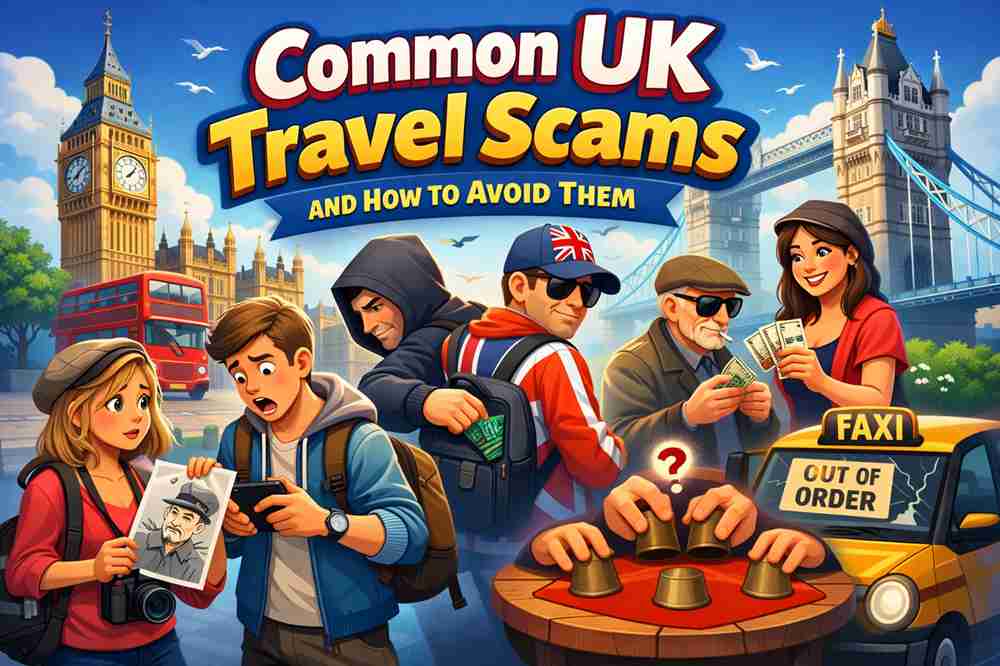


Common UK Travel Scams and How to Avoid Them?
Traveling to the UK is an exciting experience, especially for first-time visitors exploring historic cities, famous landmarks, and charming towns. While the UK is considered a safe destination, tourists can still encounter scams designed to take advantage of unfamiliar visitors. Knowing what to watch for can help you enjoy your trip with confidence and avoid unnecessary stress.
One common scam targets travelers in busy areas such as train stations, airports, and popular attractions. Someone may approach you asking for help, directions, or spare change, often with a convincing story. While many people are genuinely in need, scammers rely on distraction to steal wallets, phones, or bags. Staying aware of your surroundings and keeping valuables secure significantly reduces the risk.
Another frequent issue involves fake ticket sellers near major tourist spots. Visitors may be offered discounted attraction tickets, train passes, or event entries by unofficial sellers. These tickets are often invalid or duplicated, leaving travelers out of money and unable to enter. Purchasing tickets only from official websites, authorized vendors, or on-site ticket offices is the safest option.
Taxi-related scams can also catch tourists off guard, especially late at night or outside transport hubs. Unlicensed drivers may offer rides at inflated prices or take longer routes to increase the fare. Using licensed taxis, ride-hailing apps, or public transportation ensures transparent pricing and safer journeys throughout the UK.
ATM and card skimming scams are less common but still possible, particularly in crowded areas. Fraudsters may install devices to capture card details or observe PIN numbers. Using ATMs inside banks, covering the keypad when entering your PIN, and monitoring bank statements regularly can help protect your finances while traveling.
Accommodation scams have become more noticeable with the rise of online booking platforms. Fake listings may look professional, offering attractive prices and photos copied from real properties. Travelers often discover the issue only upon arrival. Booking through trusted platforms, checking recent reviews, and confirming contact details before payment can prevent this unpleasant surprise.
Street games and distractions are another tactic used to trick tourists into losing money. Games involving cups, cards, or quick hand movements are designed so players always lose. Spectators who seem to win are usually part of the setup. The safest approach is to walk away and avoid engaging, even if the game appears harmless or entertaining.
Wi-Fi-related scams are growing as travelers rely more on digital tools. Fake public Wi-Fi networks set up in cafes or transport hubs can capture personal data once connected. Avoid accessing sensitive accounts on unsecured networks, and consider using mobile data for banking, bookings, or personal communication to reduce risk.
Pickpocketing remains a concern in crowded locations such as public transport, festivals, and shopping streets. Thieves often work in groups, using distractions like sudden bumps or spilled items. Wearing crossbody bags, using zippered pockets, and keeping phones out of sight when not in use can help deter theft.
Another subtle scam involves fake charity collectors. Scammers may pose as representatives of well-known charities, asking tourists to sign petitions or make donations. These interactions often lead to pressure tactics or stolen information. Genuine charities rarely solicit donations in this way, so it is best to donate directly through official websites if you wish to support a cause.
Travelers may also encounter fake officials claiming to check tickets, documents, or identification. These individuals rely on authority and urgency to intimidate visitors. Real officials carry proper identification and do not ask for cash payments on the spot. If unsure, ask to move to a nearby police station or official office.
Staying informed, alert, and calm is the best defense against travel scams. Most scammers look for easy targets who seem rushed, distracted, or unfamiliar with their surroundings. Taking a moment to assess situations and trusting your instincts can help you avoid problems before they start.
Reliable internet access also plays a key role in staying safe while traveling. Being able to quickly check directions, confirm bookings, or look up local advice helps travelers make smarter decisions on the go. Many tourists now choose an eSIM solution for convenience and security, and for seamless connectivity during your UK trip, Voye Global is a reliable option to consider. Learn more - https://voyeglobal.com/