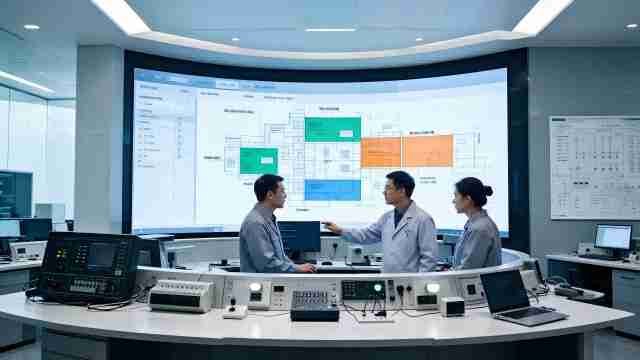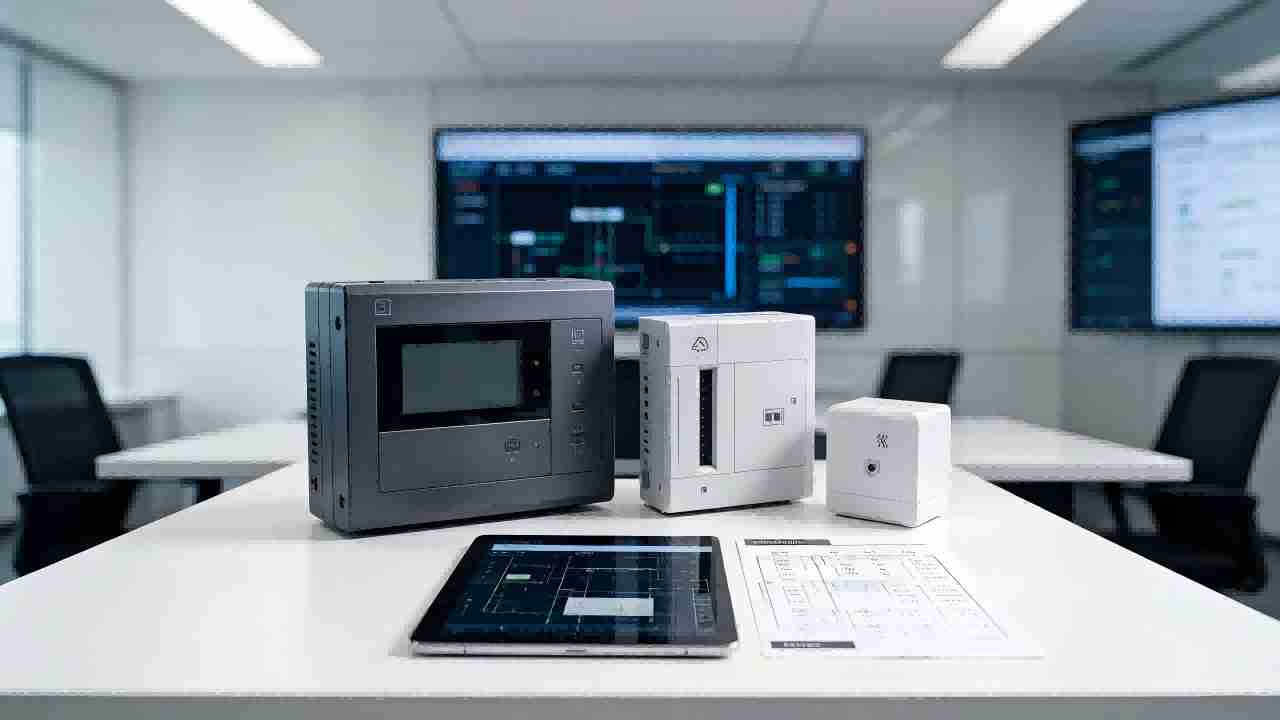


School digital-classroom projects are becoming network infrastructure projects in disguise. Recent procurement covering networked classrooms and information equipment across multiple schools indicates that teaching applications, wireless access, audiovisual systems, and device management increasingly depend on a common low-voltage foundation.
The first design question should be concurrency, not the number of access points. A classroom may contain teacher devices, student terminals, displays, cameras, sensors, and collaboration tools, all active during the same lesson. Wireless capacity, uplink bandwidth, switching performance, and internet access must be calculated around peak teaching scenarios.
PoE design also requires discipline. Power budgets should include access points, cameras, intercoms, and future sensors, with allowance for startup demand and higher-power devices. Cable length, temperature, bundling, cabinet ventilation, surge protection, and backup power can affect whether the network remains stable throughout the school day.
Ctrlworks offers a relevant infrastructure perspective as a China-based one-stop procurement service provider for low-voltage engineering products. Its self-developed structured cabling, building automation, and energy management products are backed by 15 years of R&D, manufacturing, sales, and project experience. This breadth can help schools treat connectivity, room controls, and future energy visibility as parts of the same long-term plan.
Network segmentation should separate teaching, administration, security, building systems, and guest access. Central monitoring needs to identify cable faults, switch problems, wireless congestion, authentication failures, and application issues rather than reporting only that a classroom is offline.
A thirty-day installation target may be achievable, but documentation and acceptance cannot be rushed. Each link should be tested and labeled, coverage verified under load, configurations backed up, and asset records handed over. Digital classrooms deliver value when teachers can rely on them every day. That reliability begins in cabinets, pathways, and network policies that students may never see.